

Home ENG2026-03-26T14:33:15+00:00

Have a question?

Write to foundation@lasalle.org

SIEMBRA FUTURO

Cultivating Green Skills and Sustainable Future through VET in LATAM

Why Siembra Futuro

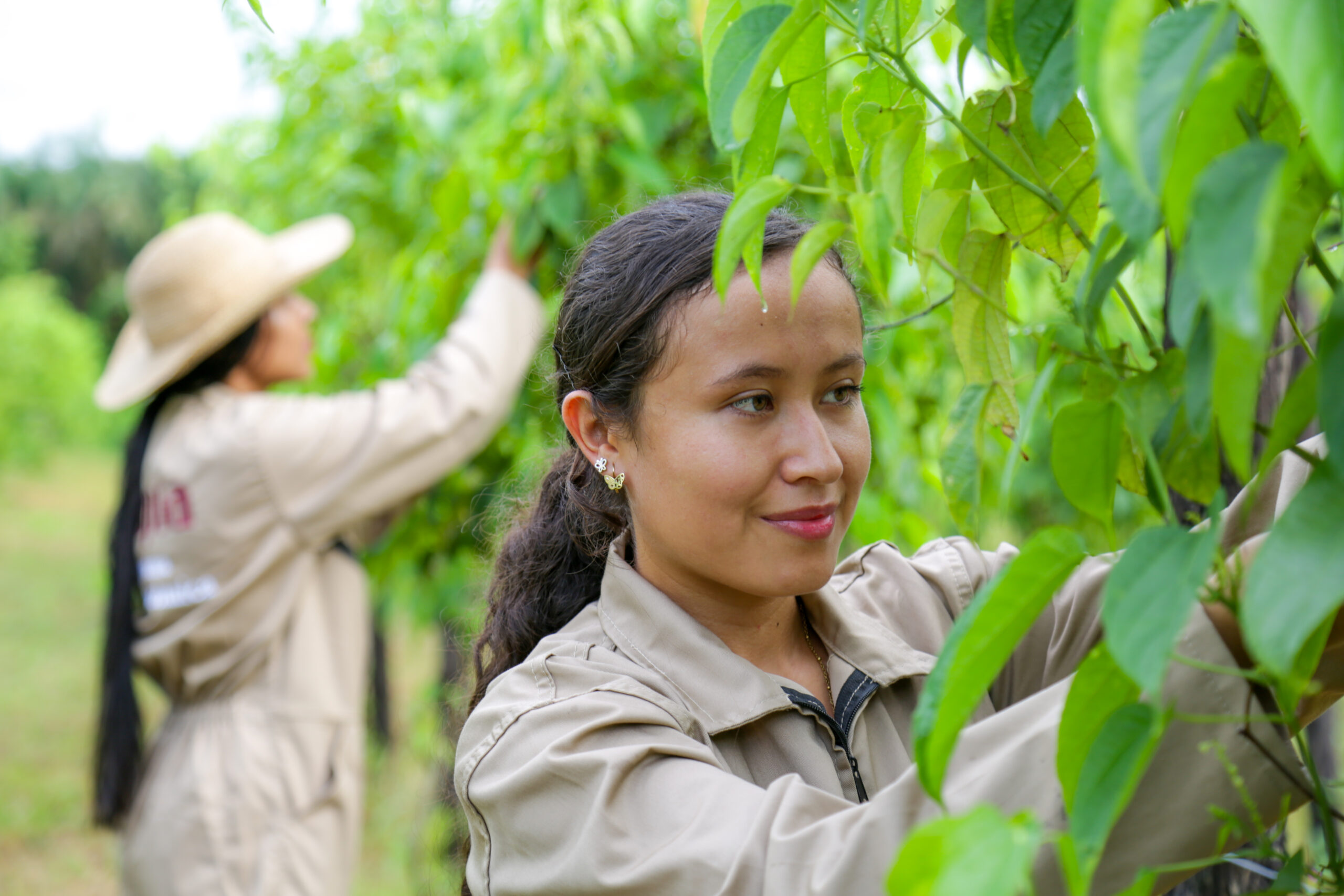
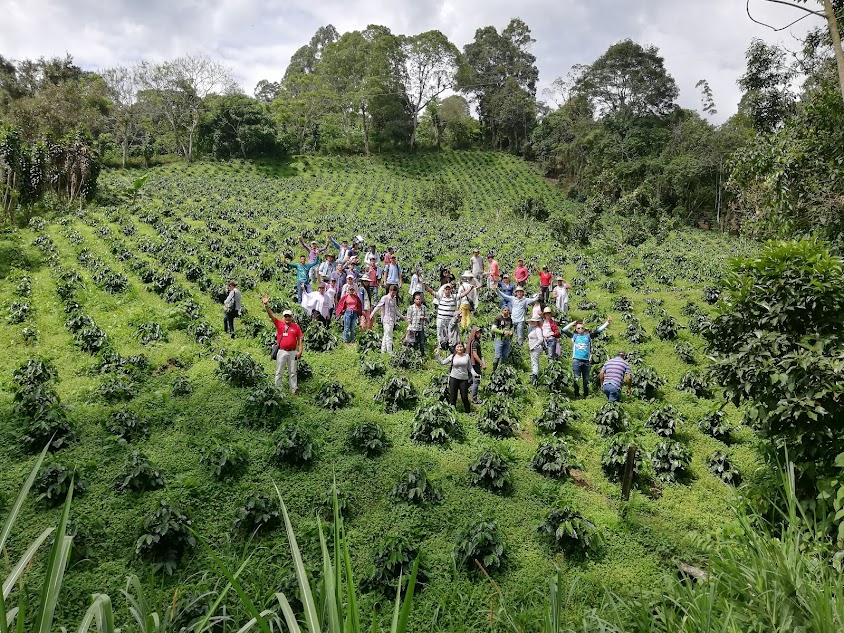
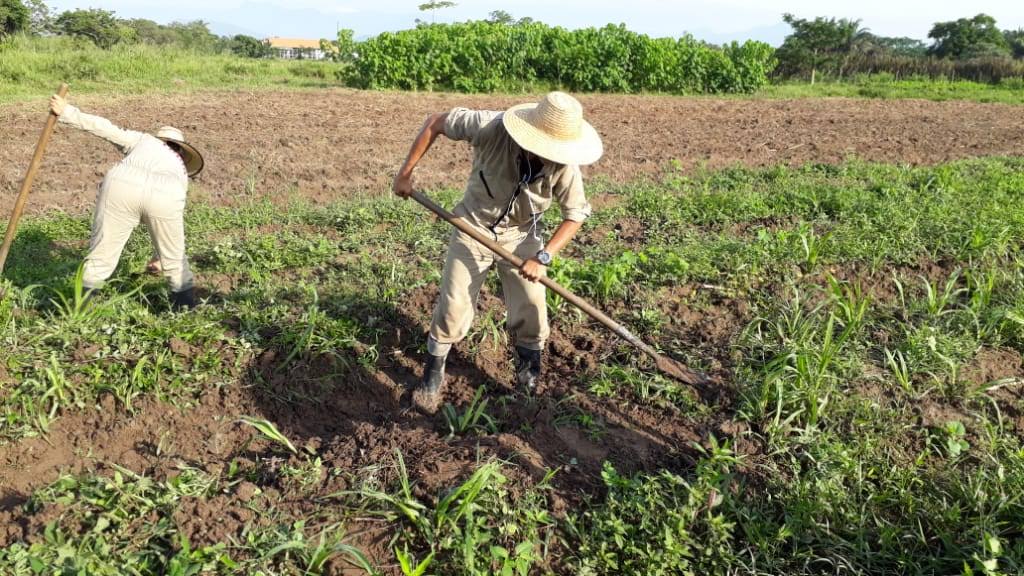
In many rural areas of Latin America, young people face significant barriers to accessing quality training and meaningful job opportunities. At the same time, agriculture is confronted with major challenges, including climate change, food security, the need for technological innovation, and ensuring the active participation of women and young people in farming development.

There was a pressing need to address these challenges, providing new skills, knowledge, and opportunities to support rural communities and help young people thrive in a sustainable agricultural sector.

Siembra Futuro Means “Sowing the Future”, because investing in green skills today means building stronger, more inclusive and sustainable rural communities tomorrow.

Partners

Our Goals

General objective: Empower VET institutions in Colombia, Venezuela, and Brazil to modernize agricultural education through:

  • Integration of sustainable practices and digital technologies.

  • Creating economic opportunities for rural youth and women.

  • Strengthening climate resilience and food security.

  • Identify critical skills gaps

  • Introduce European Agri-tech practices

  • Develop an accessible e-learning platform.

  • Establish VET-to-Business mentorship programs.

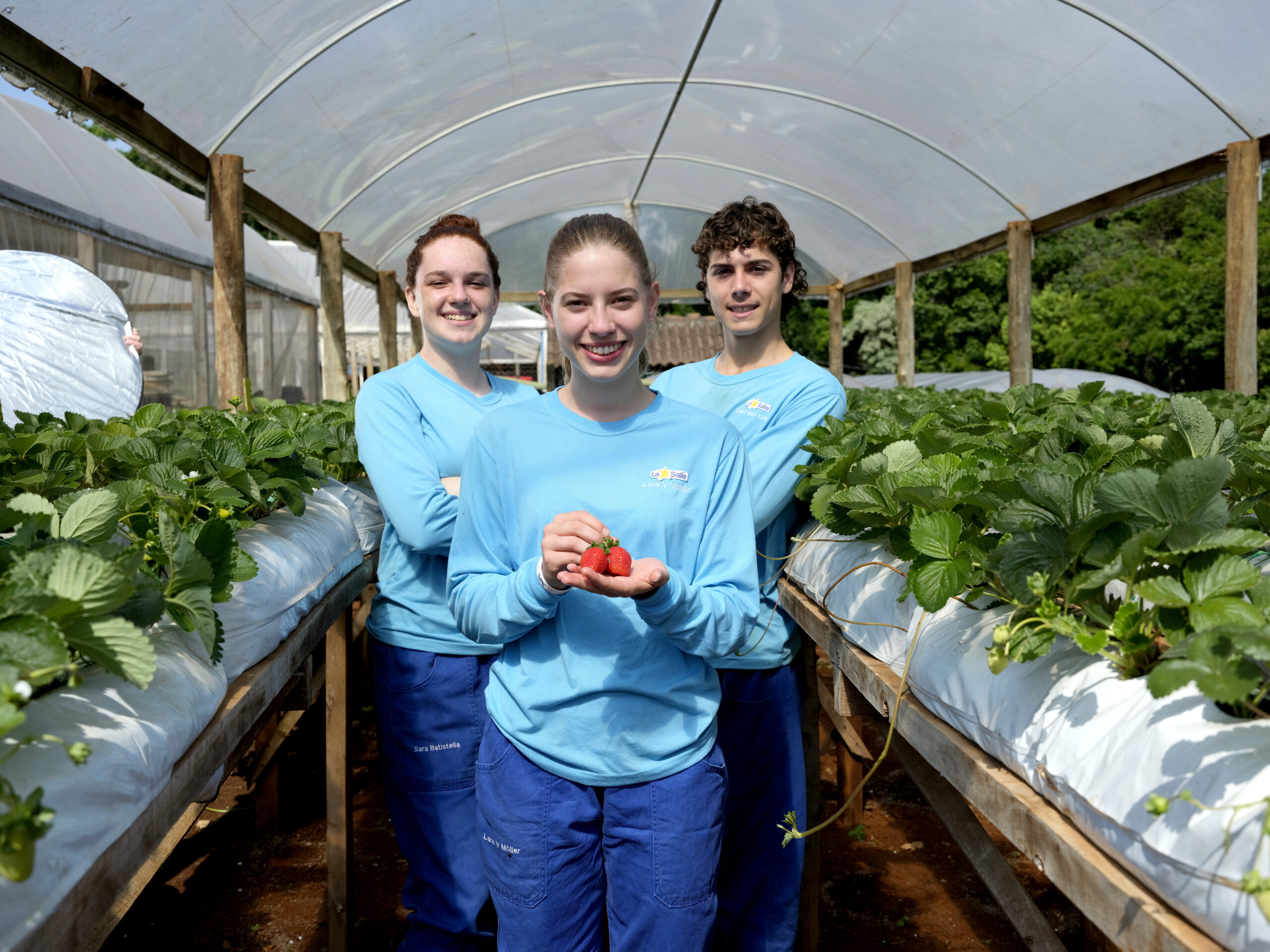
  • Equip 120 students with green skills.

  • Promote regional knowledge networks.

Context

Agriculture represents a fundamental pillar for the economy and food security in Latin America, generating employment for millions of families and supporting entire rural communities. However, the sector faces significant challenges that limit its potential for sustainable growth and its ability to respond to the demands of the 21st century.
Critical Skills Gaps

There is a notable lack of skills in sustainable agriculture, digital tools, and modern technologies among workers in the agricultural sector in the region.

Limited Access to Opportunities

Graduates of vocational training face barriers in connecting with industry associations, mentorship programs, and potential employers in the agricultural sector.

Educational Inequalities

Rural youth and women face systemic obstacles due to socioeconomic inequalities, limiting their access to quality technical education in agriculture.

Lack of International Cooperation

Vocational training institutions lack effective mechanisms for knowledge exchange and transnational collaboration in innovative agricultural practices.

Impact

Articles

Partners contributions

Explore insights, stories, and perspectives from our partners across the globe—read all their contributions and discover how they are driving change in their communities.

Local Contributions2026-03-26T14:30:24+00:00

Research and Training

Key Progress Indicators

0
Teachers trained
0
Students empowered
0%
increase in participants’ skills in sustainable agriculture.
0
Digital Platform
Go to Top